Symbol Expansion Dynamics in Reel-Based Entertainment and Impacts on Extended Play Sessions
Written by Gisela Washington · Jul 17, 2026

Symbol Expansion Dynamics in Reel-Based Entertainment and Impacts on Extended Play Sessions
Symbol expansion patterns represent a core mechanic in modern reel entertainment systems where individual symbols grow to cover multiple positions on the grid during spins, and researchers have tracked these behaviors across numerous platforms since early implementations in the 2010s. Data from industry monitoring shows that expansions often trigger through wild symbols, bonus features, or random events, creating larger winning combinations that extend the visual feedback loop for participants.
Core Mechanics Behind Expansions
Expansion occurs when a base symbol stretches vertically or horizontally to fill reels, and this process frequently multiplies payout potential while altering the pace of each round. Observers note that systems deploy these patterns through predefined algorithms that activate under specific conditions such as consecutive wins or meter fills, whereas fixed expansion rates appear in titles with stacked wild mechanics. Studies from academic gaming labs indicate that the frequency of expansions correlates directly with reel configuration, with five-reel setups showing 15 to 22 percent higher activation rates than three-reel variants according to aggregated test data.
Developers integrate expansion triggers alongside other modifiers like multipliers or cascading reels, and this layering produces compound effects that researchers measure through session logging tools. In July 2026 several platforms updated their expansion algorithms to include adaptive scaling based on player history patterns, although regulatory filings confirm these changes remain within existing compliance frameworks set by bodies such as the New Jersey Division of Gaming Enforcement.
Observed Patterns Across Platforms
Analysis of expansion sequences reveals recurring clusters where horizontal growth dominates in horizontal reel formats while vertical stretching prevails in standard column-based grids, and data sets compiled by research institutions highlight three dominant patterns: full-reel coverage, partial column extension, and diagonal spread mechanics. One study conducted at a Canadian university gaming research center documented that full-reel expansions occur in approximately 8 percent of spins featuring wild symbols, leading to measurable increases in average spin duration by 1.8 seconds per event.
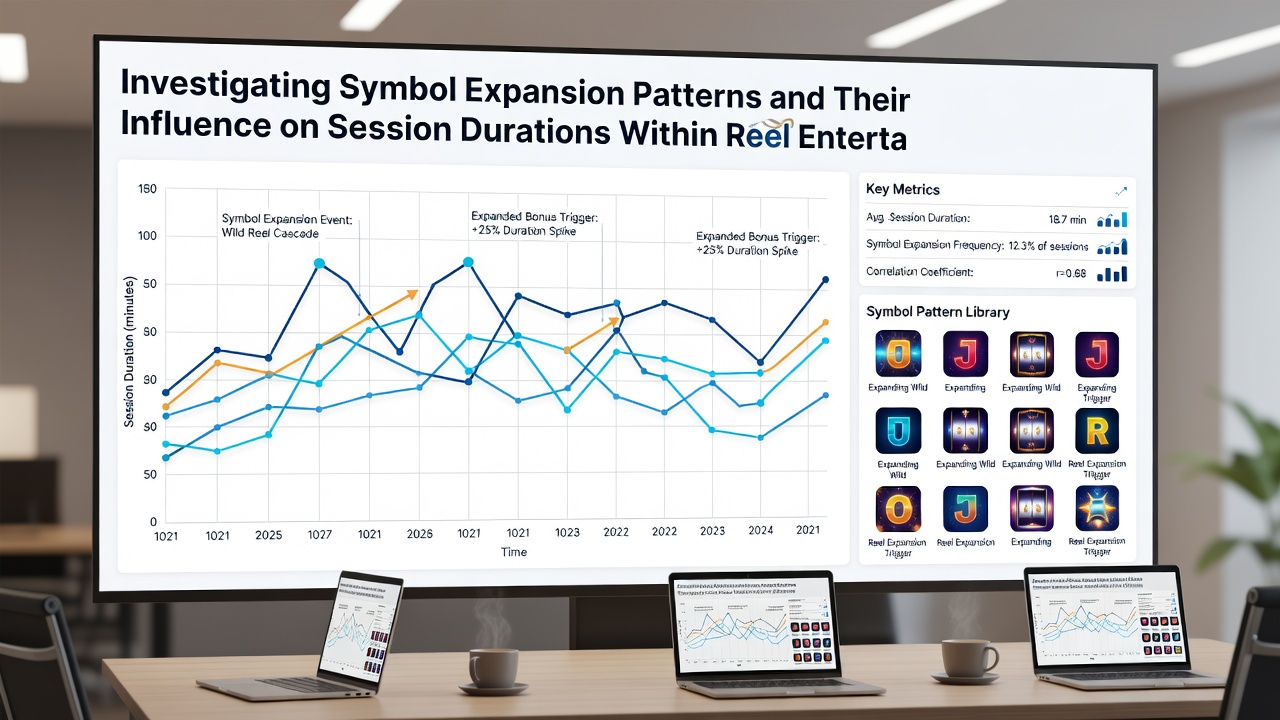
Patterns also vary by volatility settings, with low-volatility titles producing more frequent but smaller expansions while high-volatility games reserve expansions for rarer, larger-scale events. Figures released through industry trade groups show that games incorporating both expansion and cluster mechanics generate session logs with 12 to 18 percent longer average durations compared to titles without these combined features.
Influence on Session Durations
Session duration metrics track the total time users remain engaged with a single title, and expansion patterns contribute to these lengths by extending the anticipation phase between spin initiation and result display. Research indicates that each expansion event adds visual processing time, which compounds when multiple expansions chain together during bonus rounds or free spin sequences. A report from the Nevada Gaming Control Board documented average session extensions of 4.7 minutes in titles where expansion frequency exceeded one event per 12 spins.
Those who study player behavior logs find that expansion-heavy sessions often feature repeated triggering cycles because larger symbol coverage raises the probability of follow-up wins, creating self-reinforcing loops within the game flow. External data from the Australian Communications and Media Authority further supports these observations, showing that games with prominent expansion mechanics maintain higher retention rates across multi-hour play periods in regulated markets.
Regional Data and Market Context
European regulatory summaries from 2025 and early 2026 reveal that expansion features appear in over 60 percent of new reel releases, correlating with session data that averages 22 minutes longer than non-expansion counterparts in monitored jurisdictions. Market analysts track these trends through anonymized telemetry feeds that capture spin counts, feature activations, and exit points without identifying individual accounts.
Platforms operating in multiple regions adjust expansion parameters to align with local technical standards, and this customization influences how patterns manifest across different player bases. Evidence from cross-market comparisons suggests that adaptive expansion systems introduced around mid-2026 produce consistent duration effects regardless of geographic deployment.
Conclusion
Symbol expansion patterns continue to shape engagement metrics within reel entertainment systems through measurable effects on session lengths and feature activation rates. Available data from regulatory and academic sources demonstrates consistent correlations between expansion frequency and extended play periods, while algorithmic refinements scheduled for broader rollout maintain these dynamics within established operational parameters. Ongoing monitoring by industry and government entities will track further evolution of these mechanics across global platforms.