Pathways in Portable Play: Moving from Practice Rounds to Real-Money Wagers in Digital Ecosystems
Written by Theo Lehmann · May 19, 2026

Pathways in Portable Play: Moving from Practice Rounds to Real-Money Wagers in Digital Ecosystems
Players often begin their engagement with portable gaming ecosystems through free practice rounds that replicate core mechanics without financial commitment, and these sessions allow users to explore reel structures, bonus features, and volatility patterns across various titles before deciding on real-money participation. Research indicates that mobile platforms facilitate this progression by offering seamless account upgrades that convert demo play into funded sessions with minimal friction, while data from industry reports shows steady growth in such transitions particularly on iOS and Android devices.
Mechanics of Demo Modes in Mobile Environments
Demo versions of slot games operate on the same random number generators as their paid counterparts yet restrict outcomes to virtual credits, and observers note that developers integrate these modes directly into app stores to encourage initial downloads without barriers. Those who've studied player behavior find that practice rounds typically last between fifteen and forty-five minutes per session before users either exit or proceed to deposit options, whereas regulatory frameworks in regions like Australia require clear labeling of demo play to distinguish it from real-stakes activity. Figures reveal that operators track these early interactions through anonymized metrics that later inform personalized prompts for real-money entry.
Triggers That Encourage the Shift to Paid Spins
Bonuses such as matched deposits or free spin packages frequently serve as catalysts for moving beyond practice, and according to analyses from the Nevada Gaming Control Board these incentives align with user data to time their appearance after several demo sessions. Players encounter these offers embedded within the app interface while the system maintains session continuity so that progress from free play carries over logically. What's interesting is how portable ecosystems leverage push notifications and in-app messaging to highlight time-limited promotions without disrupting the overall flow, and evidence suggests this approach increases conversion rates in markets where mobile gambling holds significant share.
Payment integration plays a central role as well because instant deposit methods including digital wallets and card links reduce hesitation once a player feels ready, yet security protocols like two-factor authentication maintain trust throughout the process. Experts have observed that ecosystems built around progressive jackpots sometimes display live counters during demo play to build anticipation for potential real-money rewards, and this visual cue appears in titles expanding across North American platforms.
Regulatory and Technical Considerations Across Regions
Authorities in Canada and parts of Europe enforce age verification and responsible gaming tools that activate upon first real-money deposit, which means the pathway from practice includes mandatory checks that vary by jurisdiction. Data shows these requirements do not deter most users who have already invested time in demo rounds because the transition feels incremental rather than abrupt. In May 2026 several operators plan to introduce unified compliance layers that streamline verification across multiple portable devices, allowing smoother movement between practice and paid environments while meeting local standards.
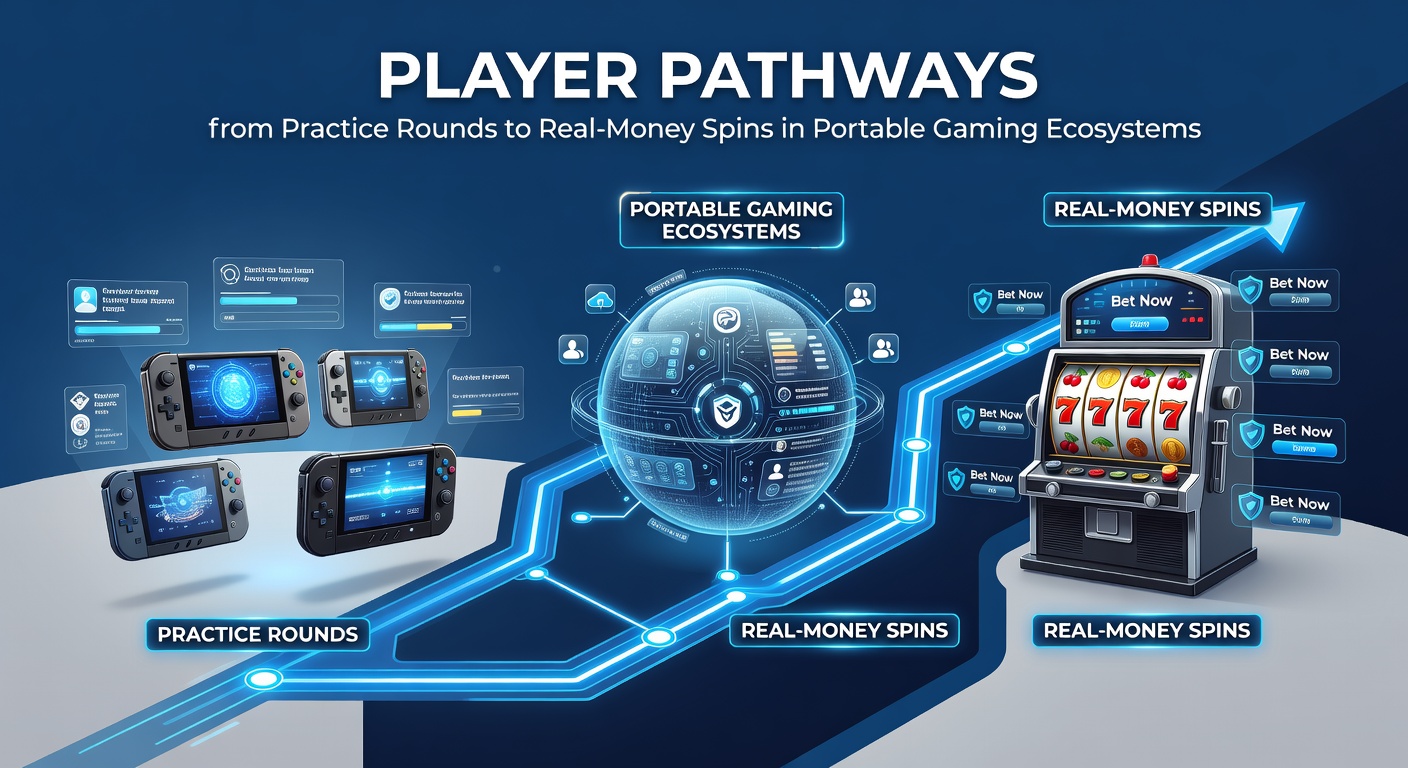
Technical optimizations such as cloud-synced accounts ensure that practice history remains accessible even when switching between phones and tablets, and researchers discovered that this continuity reduces drop-off rates during the critical decision point. But here's the thing: operators must balance aggressive conversion tactics with player protection measures because over-prompting can lead to regulatory scrutiny in stricter markets. Those studying the sector point to reports from academic institutions that examine how interface design influences the speed of transition, with results indicating that fewer clicks between demo exit and first wager correlate with higher retention.
Data Patterns and Ecosystem Growth
Statistics compiled by industry associations highlight that portable gaming now accounts for over sixty percent of total slot activity in many jurisdictions, and the pathway from practice to real money contributes directly to this dominance. One study revealed that users who complete at least three demo sessions before depositing tend to maintain longer overall engagement compared to those who jump straight into paid play. Observers note seasonal spikes around major sporting events or holiday periods when promotions intensify and mobile traffic rises accordingly.
Integration with loyalty programs further supports the journey because practice play can earn preliminary points that convert upon funding an account, and this structure appears in several major ecosystems operating across the United States and Australia. The reality is that developers continue refining these systems based on anonymized telemetry that maps exactly when most players feel prepared to wager, and adjustments often roll out during scheduled updates like those anticipated in mid-2026.
Conclusion
The progression from practice rounds to real-money spins within portable gaming ecosystems follows predictable patterns shaped by technical design, incentive structures, and regulatory oversight, and available evidence points to ongoing refinements that keep the experience fluid across devices. As new features emerge in coming months operators and platforms alike will continue adapting pathways to match evolving user expectations while adhering to established standards in diverse markets.