Mapping Payout Algorithm Dynamics Against Session Length Patterns in Multi-Platform Gaming Networks
Written by Mara Otto · Jul 19, 2026

Mapping Payout Algorithm Dynamics Against Session Length Patterns in Multi-Platform Gaming Networks
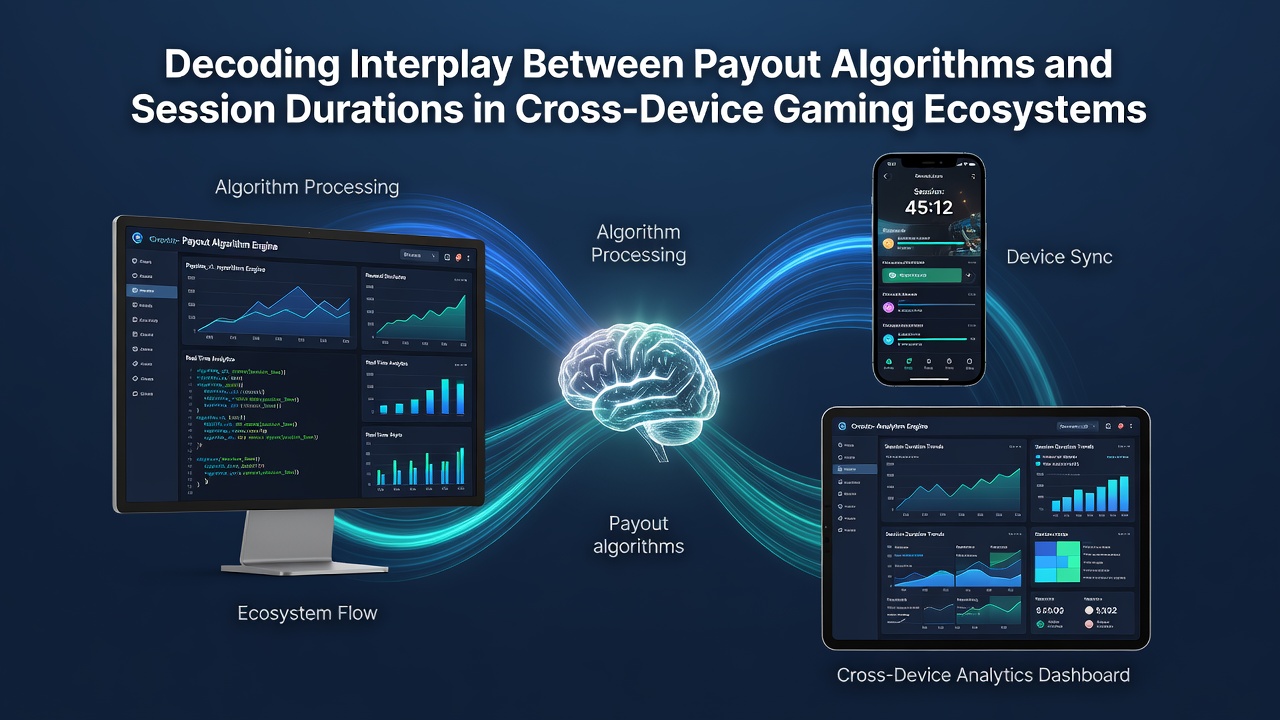
Digital gaming platforms operate through complex payout algorithms that determine reward distribution while session durations reflect how long users remain engaged across phones, tablets, and computers, and researchers continue to examine the connections between these elements in ecosystems where progress carries over between devices. Data from industry reports show that return-to-player percentages and random number generators shape outcome frequencies, yet player retention metrics vary depending on whether sessions occur on portable screens or larger desktop displays.
Core Components of Payout Algorithms
Payout algorithms rely on certified random number generators that produce outcomes independent of previous results, and regulatory bodies such as the Nevada Gaming Control Board require testing to confirm fairness standards across all connected platforms. Return-to-player figures typically range between 92 and 98 percent in regulated markets, while hit frequency settings influence how often smaller rewards appear during extended play periods. Cross-device systems must synchronize these parameters so that a session started on a mobile device maintains consistent probability models when transferred to a desktop client, and synchronization protocols ensure no deviation occurs in the underlying mathematical models.
Session Duration Measurement Across Devices
Session duration tracking captures the time between login and logout events, and analytics platforms record average lengths that often extend beyond 25 minutes on desktop interfaces whereas mobile sessions frequently conclude within 12 to 18 minutes according to aggregated operator data. Device-specific factors such as screen size, input method, and network stability contribute to these differences, while cloud-based account systems allow users to resume exactly where they left off regardless of hardware. Studies conducted by the Alberta Gaming Research Institute have documented how seamless transitions between devices can increase overall session continuity by linking separate device logs into unified player profiles.
Interconnections and Data Patterns
Evidence indicates that payout frequency settings correlate with session length variations, adn operators observe longer engagement windows when algorithms distribute smaller returns at regular intervals rather than concentrating larger outcomes. Cross-device ecosystems introduce additional variables because mobile users encounter more interruptions from notifications or battery levels, whereas desktop environments support sustained focus periods. One analysis of aggregated telemetry from multiple operators revealed that players who switch devices mid-session extend total play time by an average of 34 percent compared with single-device users, and algorithm adjustments for volatility levels appear to moderate this extension effect.
Regional Regulatory Perspectives
Authorities in different jurisdictions apply distinct oversight approaches to these systems, and the Alcohol and Gaming Commission of Ontario requires detailed reporting on how payout configurations interact with player behavior metrics across all approved platforms. In Australia the Northern Territory Government maintains similar standards that emphasize transparency in algorithm documentation, and both regions track session data to identify patterns that might indicate problematic engagement levels. These requirements have prompted developers to implement adaptive algorithms that respond to detected session length trends while remaining within certified probability boundaries.
Technical Implementation Challenges
Developers face the task of maintaining identical algorithm outputs across varied hardware configurations, and latency differences between mobile networks and wired connections can affect perceived responsiveness even though the underlying random sequences remain unchanged. Session persistence features store state information in secure servers so that payout calculations continue without reset when users change devices, and testing protocols verify that no statistical bias emerges from these handoffs. Research published through the University of Nevada Reno gaming laboratory has examined these handoff processes and confirmed that properly implemented synchronization preserves the integrity of payout distributions.
Future Developments Expected by July 2026
Industry forecasts point toward increased use of machine learning models that refine payout parameters based on real-time session analytics collected across device types, and several operators plan to introduce enhanced cross-platform features during the first half of 2026. Regulatory updates anticipated around July 2026 may require additional disclosure of how these adaptive systems influence average session durations, and testing facilities continue to develop new certification methods that address multi-device scenarios directly. Observers note that such advancements could produce more granular data sets for analyzing the interplay between algorithmic design choices and engagement patterns.
Conclusion
The relationship between payout algorithms and session durations in cross-device gaming environments rests on measurable technical and regulatory foundations, and ongoing data collection across markets continues to clarify how these elements interact. Synchronization standards, regional oversight frameworks, and hardware considerations each contribute distinct influences that shape player behavior records without altering certified probability models. As platforms evolve through 2026, documented patterns will likely inform further refinements in both algorithm calibration and session management practices across the broader ecosystem.