Decoding Symbol Cluster Dynamics in Cross-Platform Progressive Systems
Written by Sam Günther · Jul 31, 2026
Decoding Symbol Cluster Dynamics in Cross-Platform Progressive Systems
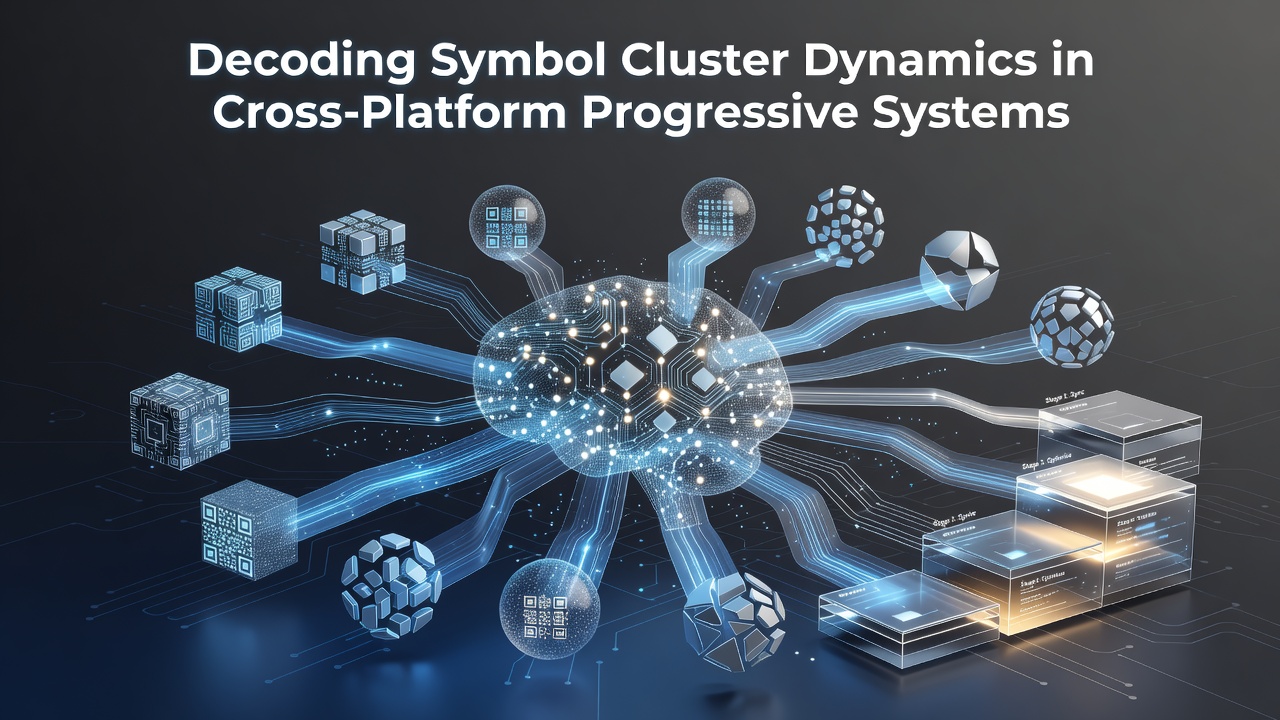
Symbol cluster dynamics represent a core element in many modern gaming platforms where groups of matching icons form winning combinations rather than traditional payline alignments, and these mechanics often integrate with progressive jackpot structures that accumulate value across multiple devices and operators. Researchers in digital entertainment systems have documented how clusters expand or contract based on random number generators and reel configurations, creating variable payout pathways that connect to shared prize pools. Data from industry reports shows these systems operate through synchronized servers that track contributions from desktop, mobile, and tablet sessions simultaneously, ensuring the progressive element scales with collective player activity.
Core Mechanics of Cluster Formation
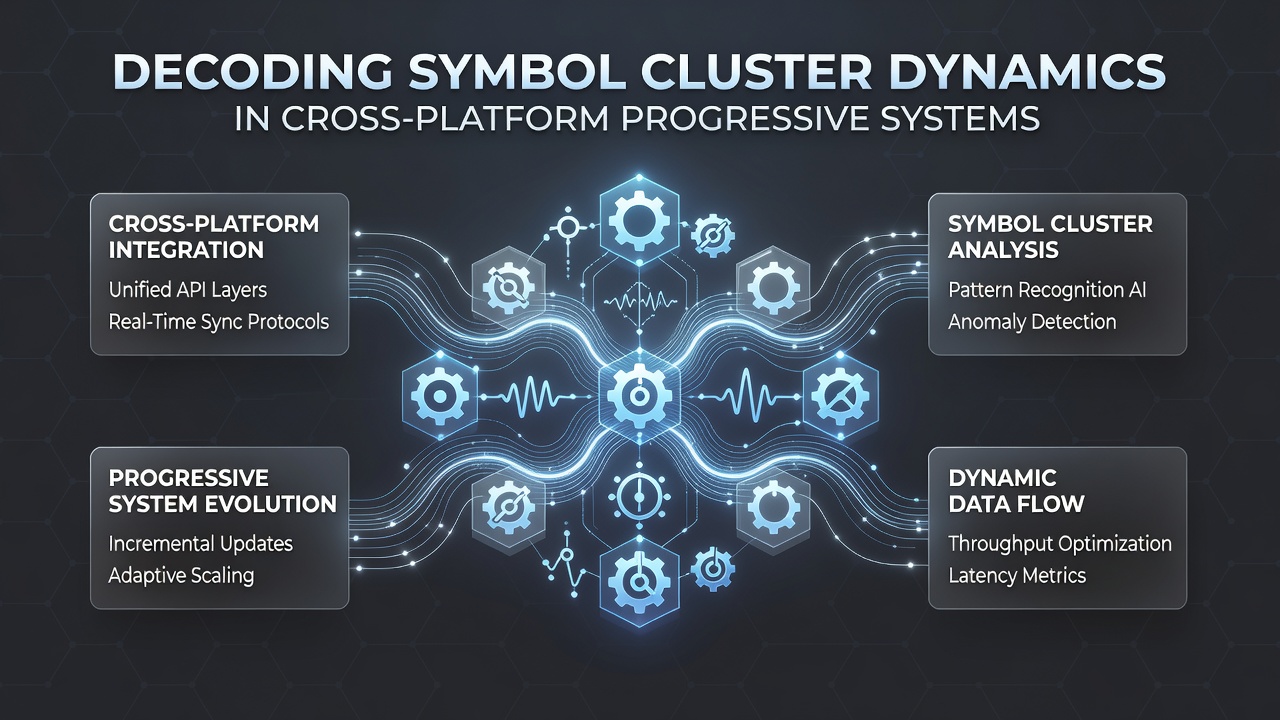
Cluster symbols activate when identical icons occupy adjacent positions on the grid, typically requiring a minimum of five or more to trigger rewards, while additional matches increase multipliers or unlock bonus features. Observers note that in cross-platform environments the same cluster logic applies regardless of device, yet rendering differences between operating systems can influence visual feedback without altering underlying probability calculations. Studies conducted by academic groups have examined how grid sizes, ranging from five by five to eight by eight, affect cluster frequency, and findings indicate larger grids produce more frequent but smaller groupings on average. Engineers design these parameters so that progressive contributions remain consistent even when players switch between platforms mid-session.
Integration with Progressive Jackpot Networks
Progressive systems link individual game instances to a central meter that grows with each wager placed across participating sites, and symbol clusters serve as one pathway to access escalating prize tiers. When a qualifying cluster appears, the system evaluates whether the outcome meets threshold conditions for jackpot eligibility, then distributes funds according to predefined allocation rules. Figures from regulatory filings reveal that in certain jurisdictions operators must report cluster-triggered wins separately from line-based results to maintain transparency in prize distribution. This separation helps authorities monitor fairness while players experience seamless transitions between base game clusters and the overarching progressive layer.
Cross-Platform Synchronization Challenges
Developers address synchronization by employing cloud-based ledgers that update in real time, allowing a cluster formed on a smartphone to contribute to the same progressive pool as one generated on a desktop client. Network latency testing conducted in controlled environments demonstrates that discrepancies under 200 milliseconds rarely impact outcome integrity, although higher delays can prompt session reconciliation protocols. Those who analyze player migration patterns between simulated and funded play have found that consistent cluster behavior across devices encourages longer engagement periods because users trust the system will recognize their progress regardless of access point. In July 2026 several platform providers plan to introduce enhanced API standards aimed at reducing reconciliation times further while preserving the randomness essential to cluster generation.
Data Patterns and Regulatory Oversight
Statistical analyses of cluster outcomes across thousands of sessions indicate that certain symbol distributions appear more frequently during peak hours, yet overall return-to-player percentages stay within regulatory bounds. The New Jersey Division of Gaming Enforcement publishes periodic summaries that categorize wins by mechanic type, offering visibility into how clusters contribute to progressive awards without revealing proprietary algorithms. Similar reporting requirements exist under frameworks managed by the European Gaming Regulators Association, where member states exchange anonymized data to identify regional variations in cluster-driven play. These exchanges help identify whether platform-specific optimizations inadvertently favor particular cluster sizes or jackpot access routes.
Future Developments in Cluster Algorithms
Engineers continue refining cluster detection routines to accommodate emerging grid formats and multi-symbol interactions, incorporating machine learning models that adjust visual weights without changing mathematical probabilities. Research institutions have begun publishing papers that model how cluster density correlates with session duration across different hardware configurations, providing operators with evidence-based guidelines for interface design. As progressive networks expand to include more international partners, the emphasis on uniform cluster handling becomes critical to maintaining equitable prize accumulation regardless of geographic origin or device preference.
Conclusion
Symbol cluster dynamics within cross-platform progressive systems rely on precise algorithmic coordination that balances visual engagement with regulatory compliance and technical reliability. Continued monitoring by oversight bodies and academic examination ensures these mechanics evolve in ways that preserve randomness while supporting interconnected prize structures across global player bases.