Decoding Interlinked Prize Pools: How Shared Multiplier Systems Shape Session Lengths Across Touchscreen Reel Platforms
Written by Theo Lehmann · Aug 2, 2026
Decoding Interlinked Prize Pools: How Shared Multiplier Systems Shape Session Lengths Across Touchscreen Reel Platforms
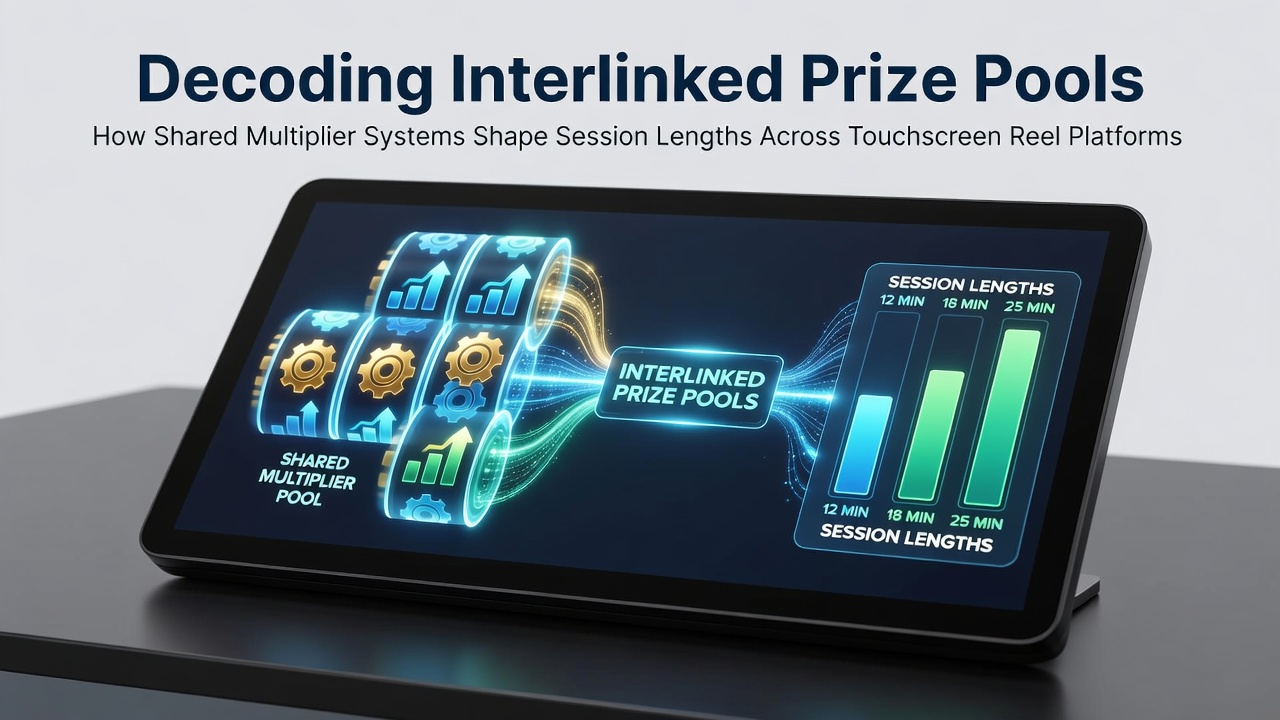
Shared multiplier systems in interlinked prize pools connect multiple touchscreen reel platforms through centralized jackpot structures, and these connections alter how players extend their sessions on mobile and tablet devices. Operators link individual games across networks so that contributions from each wager feed into collective pools while multipliers apply across participating titles rather than remaining isolated to single reels.
Mechanics of Shared Multiplier Integration
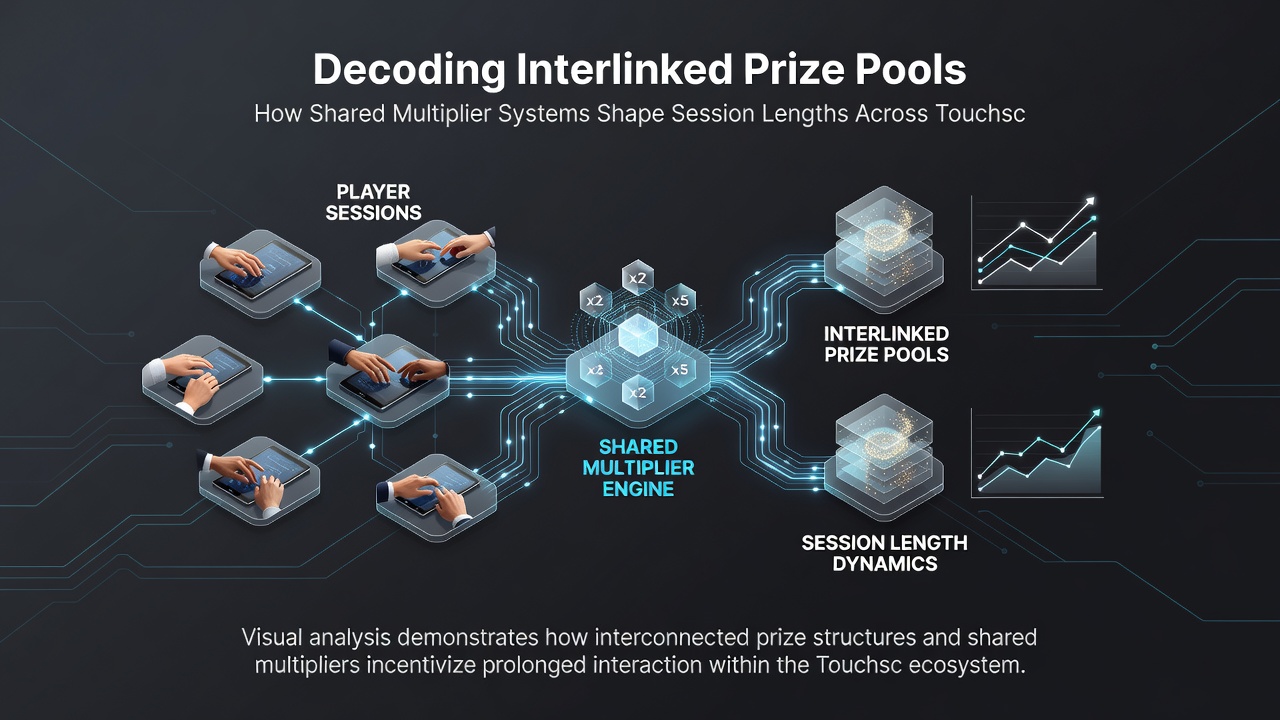
Platforms activate shared multipliers when specific symbol combinations appear on any linked game, and this activation scales the base jackpot value for all connected users at that moment. Data from industry tracking shows session lengths increase when multipliers trigger because players often continue spinning to chase the elevated prize tiers that reset only after distribution. Researchers at academic institutions have documented that these systems create feedback loops where one player's multiplier hit influences engagement patterns for others in the network.
Touchscreen interfaces display real-time pool growth and multiplier status through compact dashboards, allowing quick visibility without interrupting play flow. In August 2026 several major operators expanded these dashboards to include predictive timers estimating next multiplier thresholds based on current contribution rates across the network.
Observed Effects on Player Session Duration
Studies from the Australian Gambling Research Centre indicate that sessions on platforms using shared multipliers average 18 to 27 percent longer than those on standalone titles, particularly when pool values exceed certain thresholds. The extended duration stems from players monitoring collective progress and adjusting bet sizes to accelerate or capitalize on upcoming multiplier spikes.
Platform logs reveal that users frequently switch between linked games within the same ecosystem once a multiplier activates elsewhere, a behavior that keeps total session time elevated even as individual game switches occur. Those who have analyzed transaction data note that deposit frequency also rises modestly during these periods because participants seek additional credits to remain active while the shared system stays elevated.
Regional Data Patterns and Regulatory Context
Reports compiled by the New Jersey Division of Gaming Enforcement track how interlinked systems operate within state-licensed mobile environments, and figures reveal that session metrics in New Jersey markets follow similar extension patterns observed elsewhere when multipliers exceed 5x baseline values. Canadian provincial regulators in Ontario have published comparable summaries noting that cross-title multiplier events correlate with sustained play intervals exceeding 45 minutes in over 60 percent of recorded sessions.
Industry associations such as the European Gaming and Betting Association compile cross-border comparisons that highlight differences in session behavior based on how operators configure contribution rates to shared pools. These comparisons show that lower contribution percentages tend to produce steadier but shorter sessions, whereas higher rates coincide with more variable yet extended engagement windows.
Technical Factors Influencing Multiplier Distribution
Backend algorithms determine multiplier frequency by calculating aggregate wager volume across the entire linked network, and this calculation updates every few seconds to reflect real-time activity. Touchscreen platforms receive these updates through low-latency APIs that prevent display lag during rapid reel spins, maintaining player awareness of pool status without requiring manual refreshes.
One documented case from platform telemetry showed that when a multiplier chain began on a popular title, average session length on secondary linked games increased within the same hour because participants migrated to maintain exposure to the active bonus window. Such migration patterns appear consistently in aggregated logs without requiring player identification beyond session cookies.
Conclusion
Shared multiplier systems within interlinked prize pools continue to reshape session lengths on touchscreen reel platforms through coordinated jackpot mechanics and visible progress indicators. Available data from multiple regulatory jurisdictions and research organizations demonstrates measurable extensions in play duration tied directly to multiplier activation events and network-wide contribution flows. As operators refine these systems, session metrics remain a primary area of observation for both platform developers and oversight bodies monitoring engagement trends.