Cluster Pay Patterns and Their Effects on Retention Curves in Cross-Device Casino Environments
Written by Gisela Washington · Jul 26, 2026
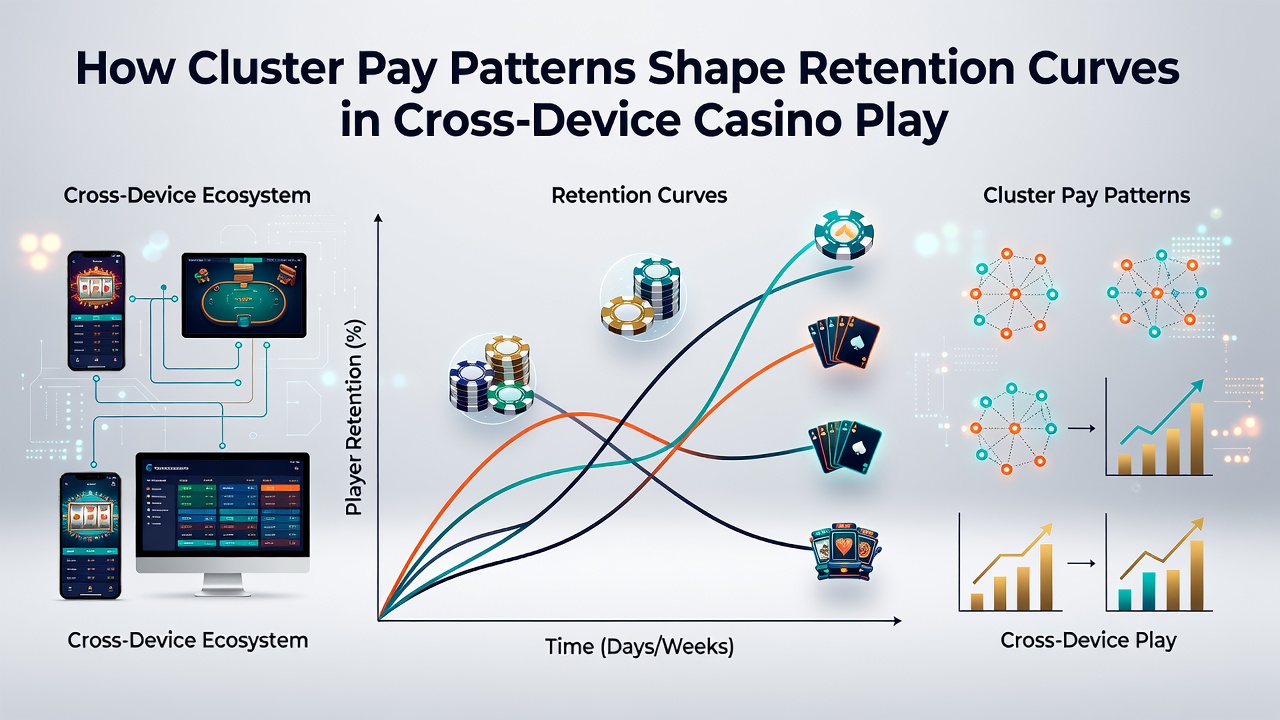
Cluster Pay Patterns and Their Effects on Retention Curves in Cross-Device Casino Environments
Cluster pay patterns operate through adjacent symbol groupings rather than traditional paylines, and this mechanic generates distinct engagement sequences that influence how long players remain active across sessions. Observers note that these configurations create more frequent small wins in early stages, which data from multiple platforms indicates can extend initial play periods before any larger payouts occur. Researchers have tracked these sequences in both desktop and mobile environments, finding that the visual density of clustered symbols often correlates with sustained interaction rates when compared to line-based alternatives.
Mechanics Behind Cluster Formations
Symbols must connect horizontally or vertically in groups of five or more to trigger payouts, and this structure allows cascading effects where new symbols drop into place without requiring additional wagers. Analysts report that such cascades extend average session length by maintaining momentum after each win, particularly when combined with multiplier features that activate on repeated clusters. In July 2026 industry tracking showed increased adoption of these systems in titles available on both handheld devices and larger screens, with figures revealing higher repeat login rates among users who encountered at least three cascade sequences per session.
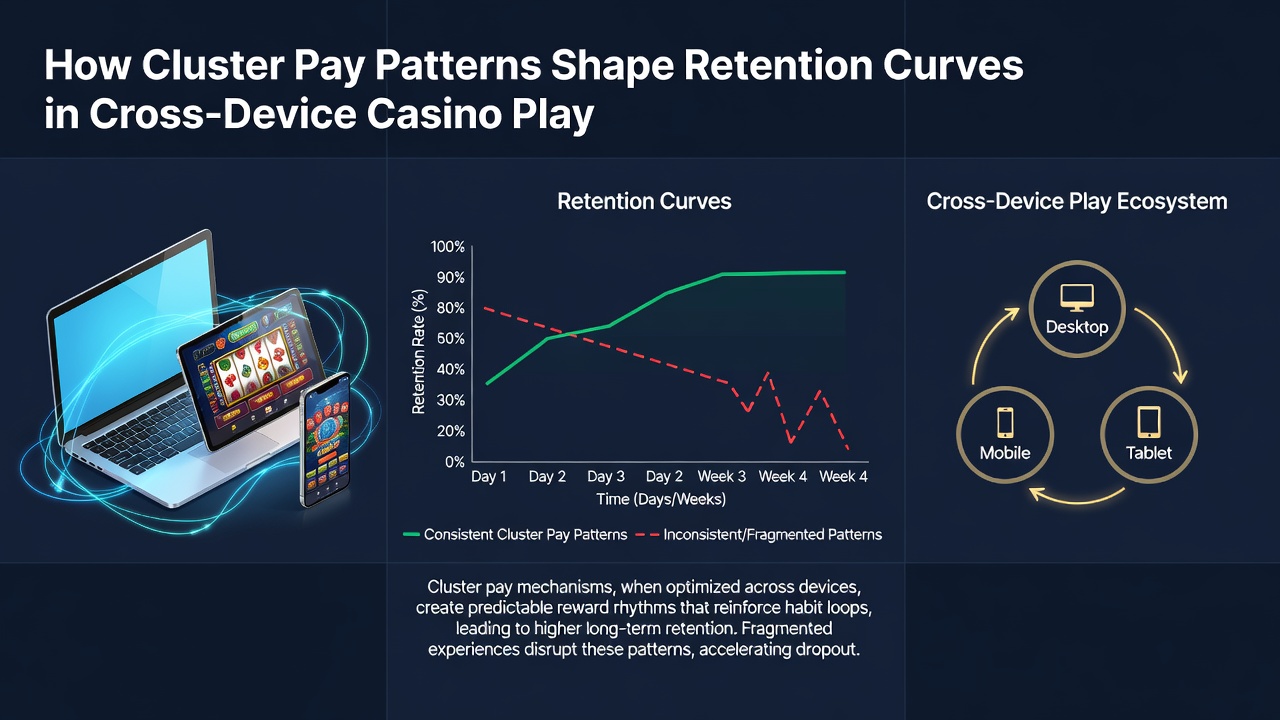
Device switching introduces additional variables, because touch-based interfaces on mobile devices can register cluster selections differently than mouse-driven desktop inputs. Experts tracking user paths have documented that players who begin sessions on one platform and continue on another often exhibit flatter retention curves when cluster mechanics remain consistent across the transition. Studies from academic research groups indicate that seamless synchronization of cluster detection algorithms reduces drop-off points during these switches.
Retention Curve Variations by Platform
Retention curves measure the percentage of players who return after an initial session, and cluster pay implementations appear to modify these curves through repeated small rewards that keep engagement thresholds lower. Data indicates mobile users respond to denser cluster visuals with longer cumulative play times, while desktop sessions show steadier progression toward bonus rounds triggered by larger groupings. Observers have recorded that cross-device players maintain higher weekly return rates when cluster sizes scale uniformly regardless of screen size.
But here's the thing: platform-specific display differences can alter perceived cluster density, which in turn affects how quickly users reach decision points about continuing or stopping. Research indicates that optimized rendering on tablets bridges some of these gaps, leading to more consistent retention patterns than those seen between smartphones and desktop setups alone. Figures from regulatory reports in various jurisdictions reveal that titles featuring adaptive cluster algorithms experience fewer abrupt session terminations during device changes.
Cross-Device Behavior Patterns
Players frequently move between devices within the same day, and cluster pay systems that preserve win history across platforms support longer overall engagement arcs. Analysts examining migration data have found that consistent cluster triggering mechanics reduce friction during these transitions, resulting in smoother retention curves that decline more gradually over weeks. Evidence from industry reports shows that games lacking such consistency see steeper drops after the first device switch.
Those who've studied player logs note that cluster frequency in the first ten minutes of play strongly predicts whether a session will extend past thirty minutes on either mobile or desktop. When cascades chain effectively, users demonstrate higher likelihood of returning the following day, according to aggregated platform metrics. What's interesting is how these patterns hold across different regulatory environments, where data from sources such as the New Jersey Division of Gaming Enforcement aligns with observations from Canadian provincial trackers regarding extended play after cluster activations.
Statistical Indicators and Platform Comparisons
Quantitative reviews of session data demonstrate that cluster pay titles produce retention curves with less pronounced early drop-offs than fixed payline games, particularly when players access the same title on multiple devices. Researchers discovered that average time between logins shortens when cluster mechanics include progressive elements that carry over across sessions. Reports compiled by groups like the Australian Gambling Research Centre highlight similar trends in markets where cross-device play has grown steadily through mid-2026.
Device type influences cluster visibility, yet synchronized backend systems minimize disparities that could otherwise fragment retention. People often find that mobile sessions emphasize rapid cluster formation for quick feedback, whereas desktop environments allow for more deliberate selection of high-value symbol areas. Evidence suggests these differences balance out when game design accounts for both input methods from the outset.
Conclusion
Cluster pay patterns continue to shape retention curves by altering win frequency, cascade duration, and cross-device continuity in measurable ways. Data collected across platforms shows consistent links between cluster mechanics and extended engagement periods, with platform-specific adjustments helping stabilize return rates. As operators refine these systems through 2026 and beyond, tracking how cluster formations interact with device transitions remains central to understanding player behavior patterns in digital casino environments.