Charting Player Migration Patterns Between Simulated and Funded Reel Sessions in Digital Spaces
Written by Amir Lehmann · May 31, 2026

Charting Player Migration Patterns Between Simulated and Funded Reel Sessions in Digital Spaces
Digital reel gaming platforms track extensive data on how users transition between practice environments and actual wager sessions, revealing consistent patterns across operator systems. Researchers at several academic institutions have documented these flows using anonymized session logs that show players often begin with simulated rounds to familiarize themselves with mechanics before committing funds. Data from industry reports indicate that such initial explorations account for a substantial portion of total engagement hours in many markets.
Defining the Core Migration Pathways
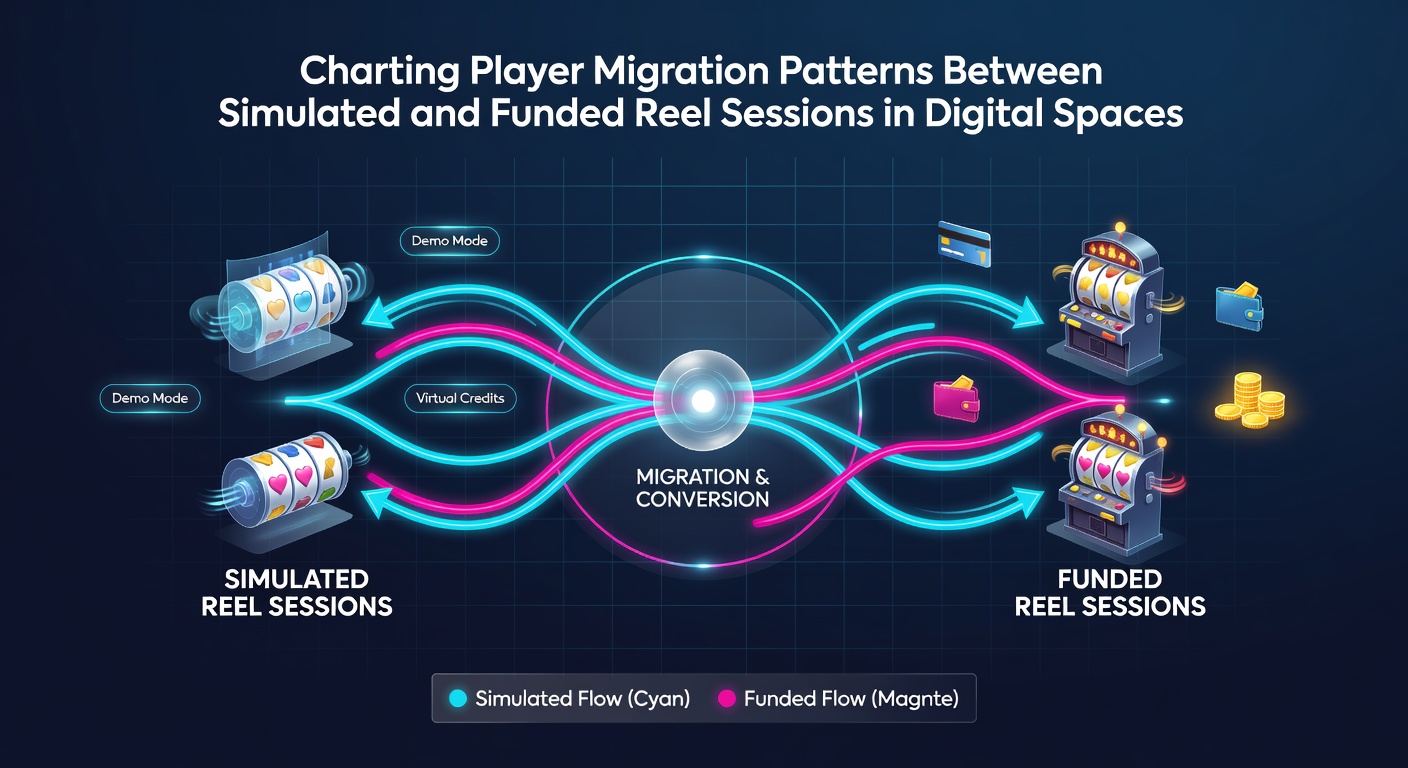
Simulated sessions allow participants to spin reels without depositing, building familiarity with paylines, bonus triggers, and volatility levels while funded play requires real stakes that activate progressive systems and cashout options. Observers note that the shift occurs when users activate deposit methods after repeated demo interactions, and figures from regulatory filings reveal conversion points cluster around specific game features such as multiplier rounds or cluster pays. Those who've studied these logs find that mobile interfaces accelerate the move because seamless wallet integrations reduce friction between modes.
One analysis of platform telemetry across North American operators showed users completing an average of 47 simulated spins before their first funded reel session, with the figure rising in jurisdictions where demo access faces fewer restrictions. Australian market data collected through state gaming commissions further highlights how loyalty prompts during practice modes correlate with quicker transitions to paid play.
Triggers That Accelerate Transitions
Bonus structures frequently serve as catalysts because operators deploy matched deposits or free spin credits that appear during simulated play, prompting users to fund accounts to unlock them. Evidence from European trade association reports points to time-limited offers in May 2026 as particularly effective at driving migrations, since seasonal campaigns align with major software releases that introduce new reel mechanics. Players who encounter progressive jackpot teasers in demos show elevated rates of moving to funded modes, according to aggregated session metrics released by several Canadian provincial regulators.
What's notable is the role of volatility settings, as high-volatility titles tend to extend demo periods while lower-volatility options shorten the interval before deposits occur. Industry organizations tracking these behaviors report that cluster mechanics introduced in recent updates have altered the pattern, pulling users toward funded sessions faster when visual feedback during practice highlights potential cluster wins.
Regional Variations in Migration Data
North American markets display distinct profiles compared with Asia-Pacific regions, where regulatory environments shape demo availability differently. New Jersey Division of Gaming Enforcement statistics from 2025 document that 62 percent of new accounts originate from users who logged at least 30 minutes in simulated modes beforehand. In contrast, data compiled by the European Gaming and Betting Association shows slightly lower percentages in markets with stricter responsible gaming prompts that interrupt extended practice sequences.
Yet patterns hold steady around jackpot-linked games, where the ripple effect of shared progressive pools encourages earlier funding decisions once players witness simulated near-misses. A University of Nevada study on digital ecosystems found that cross-device continuity, such as resuming a demo on desktop after starting on mobile, increases the likelihood of eventual real-money activation by measurable margins.
Measurement Tools and Analytical Approaches
Operators employ cohort analysis and funnel tracking to map these migrations, segmenting users by session duration, feature interaction depth, and device type. Research indicates that heatmaps of reel stops during demos predict which symbols will drive later funded engagement, allowing platforms to tailor subsequent prompts. Those monitoring longitudinal data note seasonal spikes, including heightened activity around major sporting events that coincide with themed reel launches scheduled for May 2026.
Payment gateway performance also factors into the equation because faster deposit confirmations reduce drop-off between the decision to fund and the first real spin. Reports from the Canadian Gaming Association emphasize that instant banking options correlate with higher retention once migration completes, while slower methods extend the window during which users might revert to simulated play.
Conclusion
Comprehensive tracking of these migration patterns supplies operators with actionable intelligence on user journeys through digital reel environments. Aggregated findings from regulatory bodies and academic sources continue to refine models that forecast conversion likelihood based on early demo behaviors. As platforms evolve features and promotional timing, the underlying data streams remain central to understanding how simulated exposure feeds into sustained funded participation across global markets.