Audio-Visual Cue Mapping for Retention Analysis in Mobile Progressive Reel Platforms
Written by Gisela Washington · Aug 16, 2026

Audio-Visual Cue Mapping for Retention Analysis in Mobile Progressive Reel Platforms
Audio-visual cues in mobile progressive reel systems combine synchronized sound effects with visual animations to guide player attention during extended sessions, and researchers track how these elements influence session duration and return rates across different device types. Studies from academic institutions have documented patterns where specific cue combinations correlate with higher retention metrics, particularly when progressive jackpot meters update in real time alongside escalating audio layers. Data collected through app analytics platforms shows that players encounter these cues at key decision points, such as near-miss sequences or multiplier reveals, which connect directly to continued engagement periods.
Core Components of Audio-Visual Integration
Mobile progressive reel platforms rely on layered sound design paired with dynamic graphics to maintain consistent feedback loops, while developers adjust timing intervals based on aggregated user interaction logs from thousands of sessions. Sound frequencies often rise in pitch during reel spins that approach bonus thresholds, and visual elements like expanding meter bars or particle effects activate simultaneously to reinforce the progression toward larger prize pools. Observers note that these paired cues appear most frequently in titles released or updated around August 2026, when several operators expanded their mobile offerings with enhanced haptic responses tied to the same audio-visual triggers.
Integration occurs through middleware that synchronizes asset libraries across operating systems, and engineers calibrate delay thresholds to under 50 milliseconds to preserve perceived seamlessness. Research indicates that misalignment between audio onset and visual animation reduces the effectiveness of retention signals, leading platforms to implement automated testing protocols that flag discrepancies before deployment.
Retention Pattern Measurement Techniques
Analysts map retention by correlating cue exposure events with metrics such as daily active users and average session length, using timestamped event logs that capture each audio trigger and corresponding visual state change. Machine learning models process these datasets to identify clusters where repeated exposure to specific cue sets predicts longer play intervals, and similar approaches have appeared in reports from Canadian research centers examining digital gaming behaviors. Those models also factor in variables like screen size and network latency, which can alter how cues register on different hardware configurations.
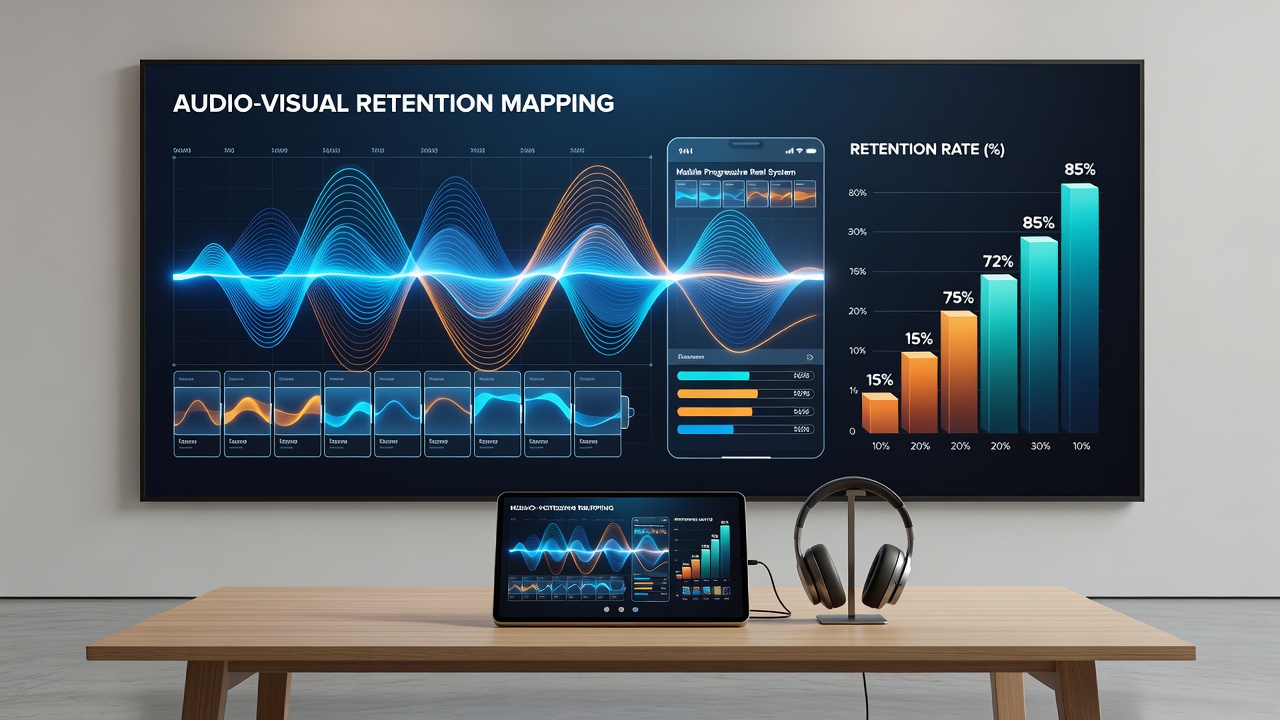
One dataset reviewed by European gaming associations revealed that sessions incorporating escalating audio layers during progressive meter growth retained users 18 percent longer than control sessions without those escalations. The analysis further segmented results by geographic region, showing variations in response strength that aligned with local regulatory requirements for responsible play notifications embedded within the same cue frameworks.
Observed Interactions with Progressive Mechanics
Progressive reel systems accumulate contributions across networked players, and audio-visual cues often intensify when the shared prize pool reaches predefined milestones, creating shared anticipation across distributed mobile sessions. Engineers have observed that cue frequency increases proportionally with pool size, while visual brightness and sound volume scale together to mark these thresholds. Data from industry reports indicates these scaled cues appear in systems operating under oversight from bodies such as the Nevada Gaming Control Board, where compliance logs track both payout transparency adn engagement monitoring simultaneously.
Players encounter these intensified cues most commonly during bonus round entries or near-miss outcomes, and the integration helps maintain continuity when switching between portrait and landscape orientations on handheld devices. Research from university-led studies on interactive media has examined how these patterns hold across different demographic groups, finding consistent correlations between cue density and session continuation rates regardless of player tenure.
Platform Adaptations and Data Feedback Loops
Developers refine cue parameters through iterative testing cycles that draw on anonymized retention data, adjusting volume curves or animation speeds to match observed player drop-off points. Feedback loops feed performance statistics back into design tools, allowing rapid updates that address regional differences in device audio output capabilities. As of August 2026, several platforms incorporated adaptive cue scaling that responds to individual session history, modulating intensity based on prior retention signals captured during earlier play periods.
Regulatory frameworks in multiple jurisdictions require clear disclosure of how these systems operate, and operators maintain audit trails that document cue timing relative to random number generator outcomes. These records support independent verification processes conducted by third-party testing labs, ensuring alignment between advertised mechanics and actual audio-visual delivery.
Conclusion
Mapping retention patterns through audio-visual cue integration provides measurable insights into engagement dynamics within mobile progressive reel systems, and ongoing data collection continues to refine these connections across evolving hardware and regulatory environments. Platforms that align cue delivery with progressive mechanics demonstrate measurable differences in session metrics compared with baseline implementations, while research institutions and oversight bodies track these developments through standardized reporting channels. The combination of synchronized audio and visual elements remains a central focus for analysts seeking to understand sustained participation patterns in digital reel environments.