Analyzing Interconnections Among Random Event Triggers and Extended Engagement Periods in Handheld Reel Simulations
Written by Amir Lehmann · Jun 2, 2026

Analyzing Interconnections Among Random Event Triggers and Extended Engagement Periods in Handheld Reel Simulations
Handheld reel simulations operate through complex layers of probability algorithms that determine when random event triggers activate during play sessions, and these activations show measurable links to how long users remain engaged on mobile platforms. Data from industry tracking systems indicates that random triggers such as mystery symbol expansions or multiplier bursts often coincide with spikes in session duration, particularly when they occur within the first 50 spins of a mobile session.
Mechanics Behind Random Event Triggers
Random event triggers in handheld reel simulations rely on pseudorandom number generators calibrated to specific return-to-player percentages, and these systems activate features like free spin rounds or pick-and-click bonuses without player input beyond the initial spin command. Research conducted by academic groups at institutions focused on behavioral analytics reveals that triggers tied to high-volatility reel setups tend to produce longer engagement stretches because players receive intermittent reinforcement through scattered symbol combinations that build anticipation across multiple spins.
Engineers design these triggers with weighted probability tables that factor in bet size and current reel position, which means a player on a five-reel grid might encounter a cluster pay mechanic after an average of 120 spins according to aggregated telemetry from major content providers. Such patterns hold steady across both practice modes and funded sessions, although frequency rates shift slightly based on device processing speed and network latency in real-time environments.
Patterns of Extended Engagement on Mobile Devices
Extended engagement periods in handheld reel simulations typically range from 15 to 45 minutes per session when random triggers maintain a cadence of one substantial feature every 80 to 100 spins, and platform operators record these durations through timestamped user logs that exclude idle time. Figures from the New Jersey Division of Gaming Enforcement show that mobile slot sessions featuring frequent small-value triggers sustain player presence longer than sessions dominated by base game spins alone, with average playtime increasing by 22 percent in titles that deploy cascading reel mechanics.
Device-specific variables also influence these periods because smaller screen real estate on smartphones compresses visual feedback loops, which can either accelerate decision-making during bonus rounds or extend contemplation time when multiple trigger options appear simultaneously. Observers note that portrait orientation sessions often outlast landscape ones by several minutes, largely due to easier thumb navigation that reduces physical fatigue during prolonged reel rotations.
Links Between Triggers and Session Length
Interconnections emerge when random event triggers reset perceived progress meters within the simulation, encouraging continued play rather than session termination, and this effect strengthens when triggers deliver immediate visual or auditory rewards that align with established reward pathways documented in player behavior studies. Evidence from longitudinal tracking across European markets indicates that titles incorporating progressive link triggers between handheld sessions maintain retention rates above 65 percent for users who experience at least two activations within a single 30-minute window.
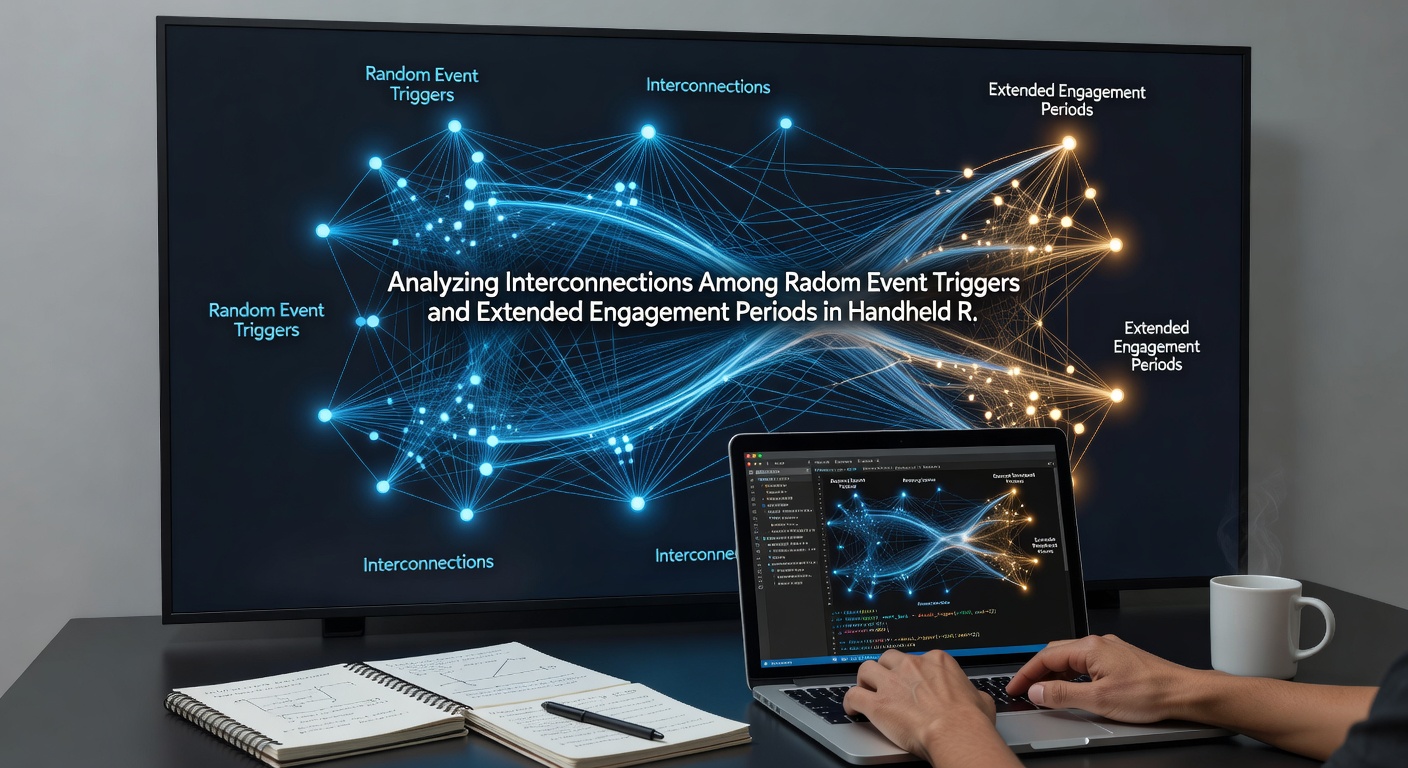
As of June 2026, telemetry collected from multiple software studios demonstrates that cluster-based triggers correlate with extended engagement more reliably than line-based ones, particularly on tablets where larger displays allow clearer display of accumulating multipliers. Researchers have mapped these correlations through regression models that isolate trigger timing from other variables such as sound design or thematic elements, revealing that the interval between activations serves as the primary predictor of whether a session extends beyond the initial 10 minutes.
Regional Data and Industry Measurements
Regulatory reports compiled by the Malta Gaming Authority document that mobile reel simulations with adaptive trigger frequencies adjusted according to real-time engagement metrics achieve higher average session lengths compared with static probability models. Similar patterns appear in data released by the Australian Gambling Research Centre, where analysis of over 2 million simulated sessions found that random triggers occurring at irregular intervals produced the strongest positive association with play duration exceeding 25 minutes.
Platform operators apply these insights when configuring handheld titles, setting trigger thresholds that balance mathematical fairness with behavioral reinforcement schedules proven to sustain activity without rapid fatigue. Those who've examined cross-device logs observe that seamless synchronization between mobile and desktop versions further amplifies the effect, allowing players to resume sessions mid-trigger sequence and thereby extending total engagement time across multiple access points.
Conclusion
Random event triggers and extended engagement periods in handheld reel simulations connect through predictable probability structures and behavioral feedback mechanisms that platform developers continue to refine using aggregated performance data. Studies from diverse regulatory and research bodies confirm that trigger timing, frequency, and reward presentation directly influence how long users interact with these simulations on mobile hardware. Continued monitoring of these interconnections supports ongoing adjustments in game mathematics to align with observed player patterns across global markets.